
 0
0
 0
0
HoYoverse has spent the better part of a decade astounding fans with action RPGs, in-depth storylines, and combat loops tuned to within a severe margin of error that has, at times, backfired. So when the studio behind Genshin Impact, Honkai: Star Rail, and Zenless Zone Zero announced it was making a cozy life sim, it threw me for a loop. Now, with some time in Petit Planet, I can say that what Hoyoverse has created will definitely hit high marks as the best cozy game of 2026, even if it is derivative of a title from Big N.
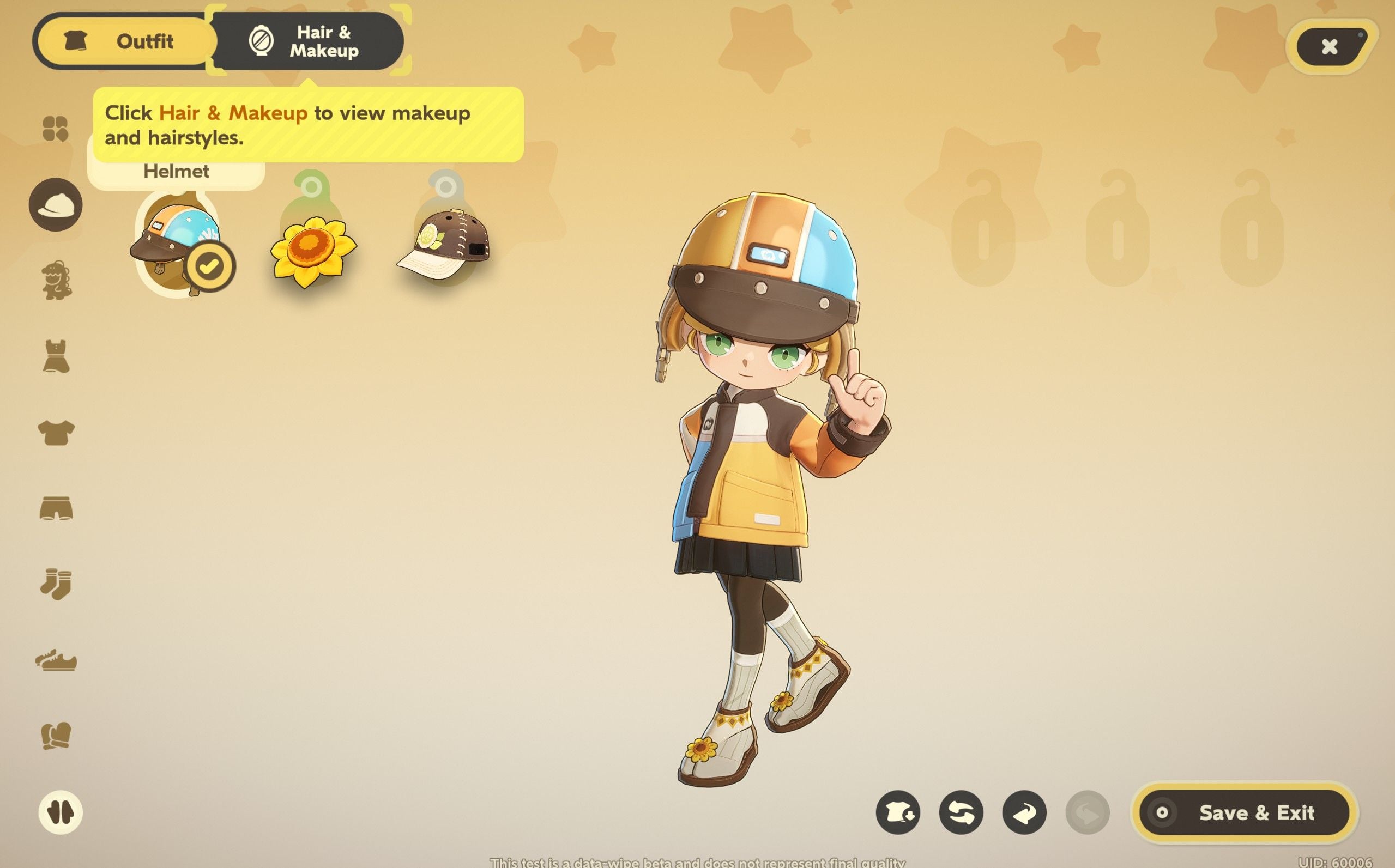
Announced at Tokyo Game Show in September 2025, Petit Planet starts you off in the role of a Planet Tender, someone tasked with nurturing a tiny floating world. It starts off unassuming enough, with vibes so close to Animal Crossing that this may as well be called Anime Crossing. Character creation feels deliberately slight at first, with few choices in the way of customization, but that initial simplicity is something of a soft lie the game tells you to slip you into the game more quickly.
Once you step into the game proper, the customization options unfurl fast. New outfits come through Glenn’s Goods, an open air bazaar-like shop that starts in its own little nook at the main square. Later, the catalog only expands as you push outward into other worlds and coax your various residents to gift you goods. It didn’t take long before I made a few friends, had taken my first interplanetary road trip, and found a bevy of new clothes to outfit my adorable chibi-esque character.
You really cannot talk about Petit Planet without the Animal Crossing comparison, and you shouldn’t try. The similarities are not accidental. The parity is palpable. You grow crops, chop trees, catch fish and bugs, upgrade buildings (at a cost), and decorate your space to your heart’s content. But HoYoverse has also layered in activities that push past the formula. Tongs let you grab crustaceans right out of the water. Cooking arrives with a discovery system that rewards experimentation rather than just following recipes, and feels like an RPG mini-game. There’s a crafting system which is both simple but purposeful and gives you a near-constant reason to keep gathering materials rather than ignoring them once you’ve hit a comfortable plateau.
Where things get more interesting is how the studio has branched out from the formula rather than simply tracing it. HoYoverse has always loaded its other games with small mini-games and gathering mechanics, whether that’s fishing in Genshin Impact, some choice platforming mini-games in Honkai: Star Rail, or the various side activities scattered through Zenless Zone Zero.
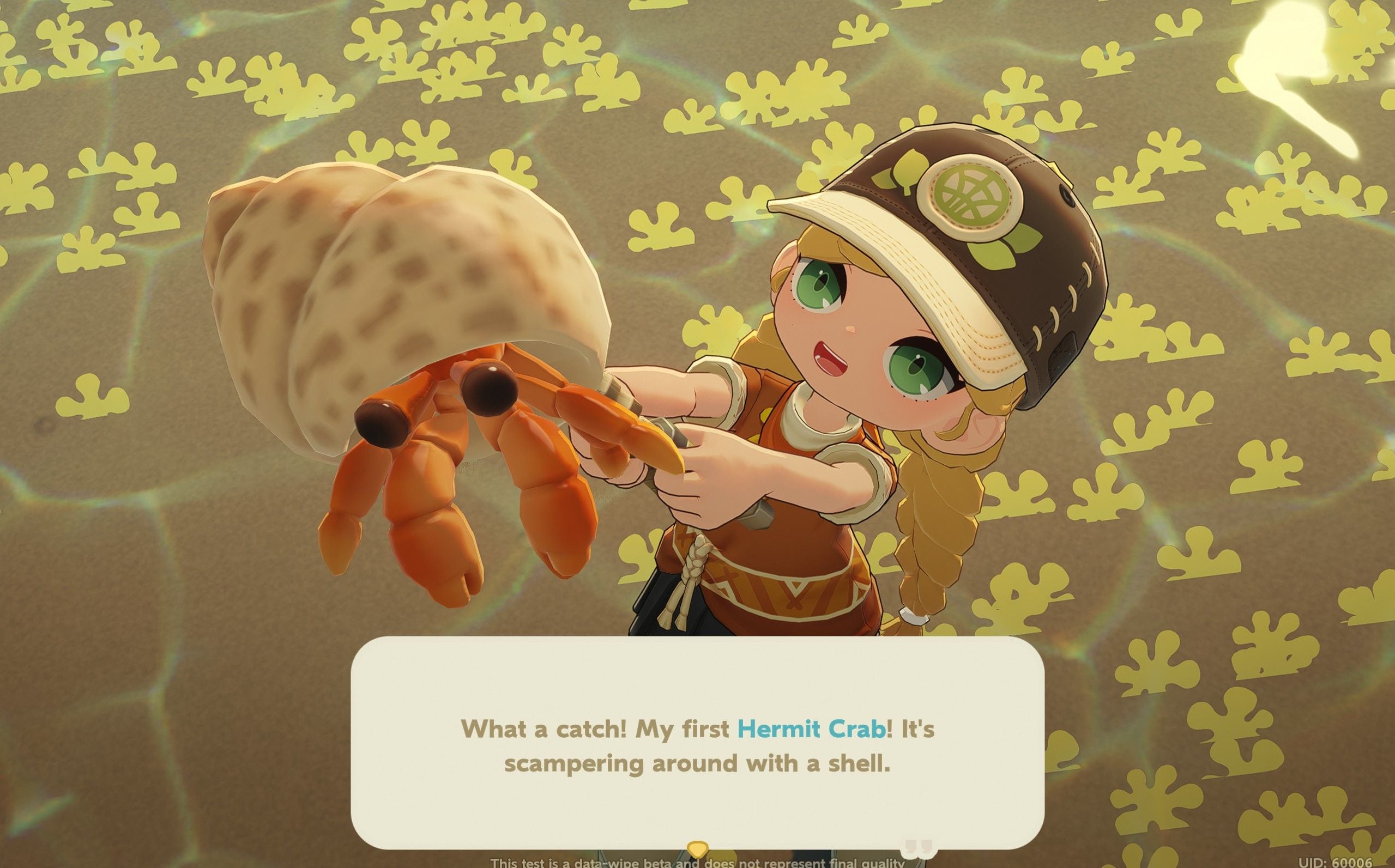
In Petit Planet, those systems have essentially been cannibalized, stripped of urgency, and reassembled into something deliberately low-stakes. The fishing isn’t a challenge, it’s a rhythm lifted out of Animal Crossing with an even easier tell to ensure success. The gathering isn’t a grind, it’s a reason to walk around and look at things. The studio took everything it already knew how to build and asked what it would feel like if none of it was trying to kill you. Still, Hoyoverse needed to find balance somehow, and the stamina system is their way of doing that. As you complete your hobbies, your stamina will drop, requiring you to eat or drink to refill your actionable activities.
Progression threads through your planet in ways that feel organic in a tutorial sense rather than checklist-driven. Hoyoverse really expect you to take ownership of your planet at the onset. I named my planet Pizzonia. I have no regrets. As you complete quests and build out your world, you’ll obtain Luca, which you use to water the Luca Arbor. That Arbor grows through multiple stages over time, eventually producing Luca Fruit, and the Fruit you select reshapes the visual identity of your world outright, customizing your world to fit your vision. It is a slow process by design, as is paying off your home loans, but it gives the act of progression a visual payoff that also manages to give that gacha-like dopamine hit when you’ve finally accomplished your goal.
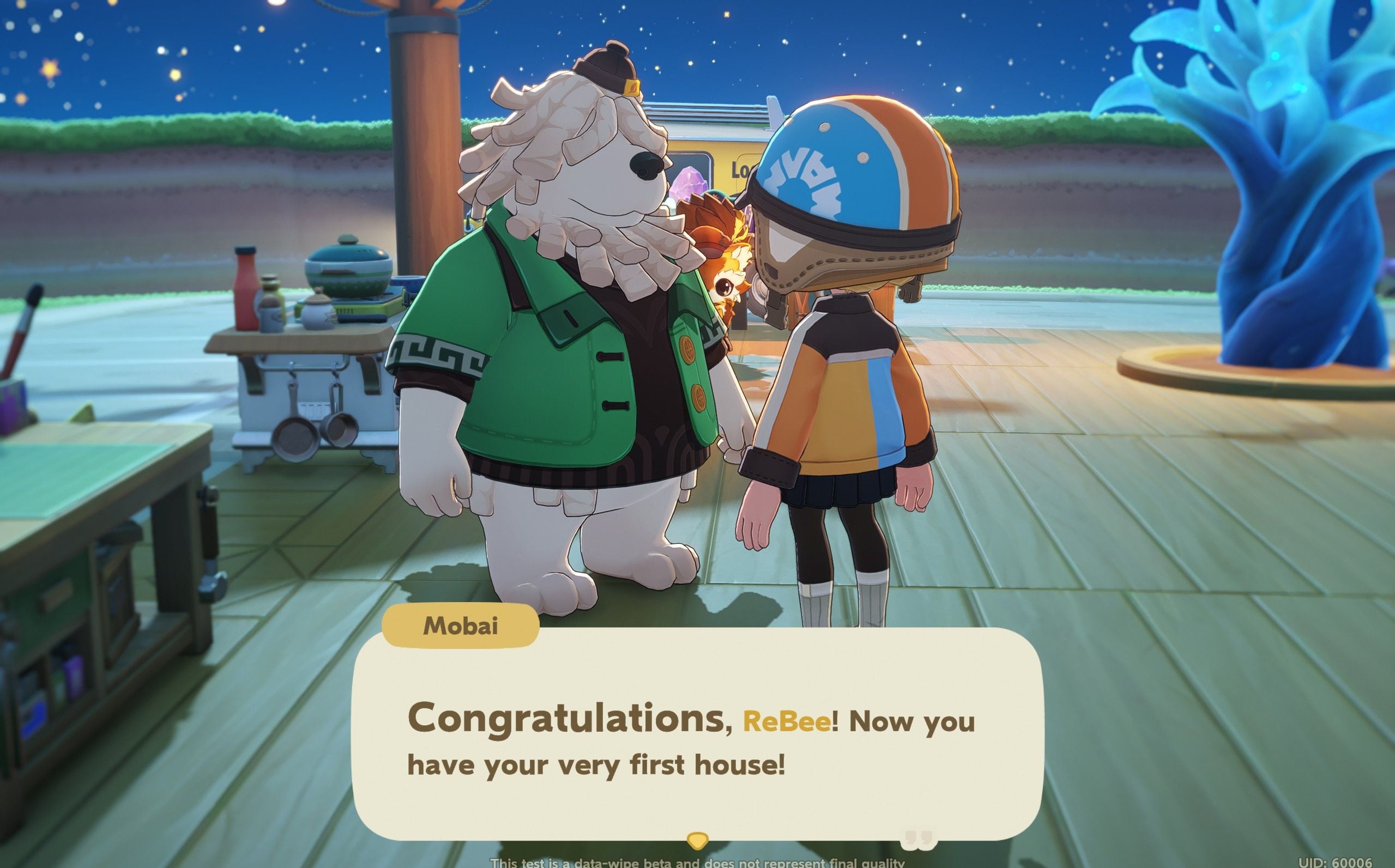
Your world, however, isn’t all about you. Residents trickle in as you expand, and you’ll be building new homes to accommodate them, assisting them in their own desires – such as research, and building a rapport with them to further your relationship and unlock their story, not too different from Honkai Star Rail. Unlike Animal Crossing, where villagers communicate in Animalese, the neighbors in Petit Planet speak plain English, fully voiced in a way that reflects the considerable production investment HoYoverse continues to make across all of its titles. It’s a small thing that ends up meaning a lot, even if I’m not entirely sure how sustainable that will be in the long run.
Blueprints add another layer to the world-building, letting you place structural plans that require specific gathered materials to complete, eventually yielding monuments, community gathering spaces, or other world-defining additions. It’s the kind of system that quietly demonstrates how much room the game gives you to make your world feel like yours.
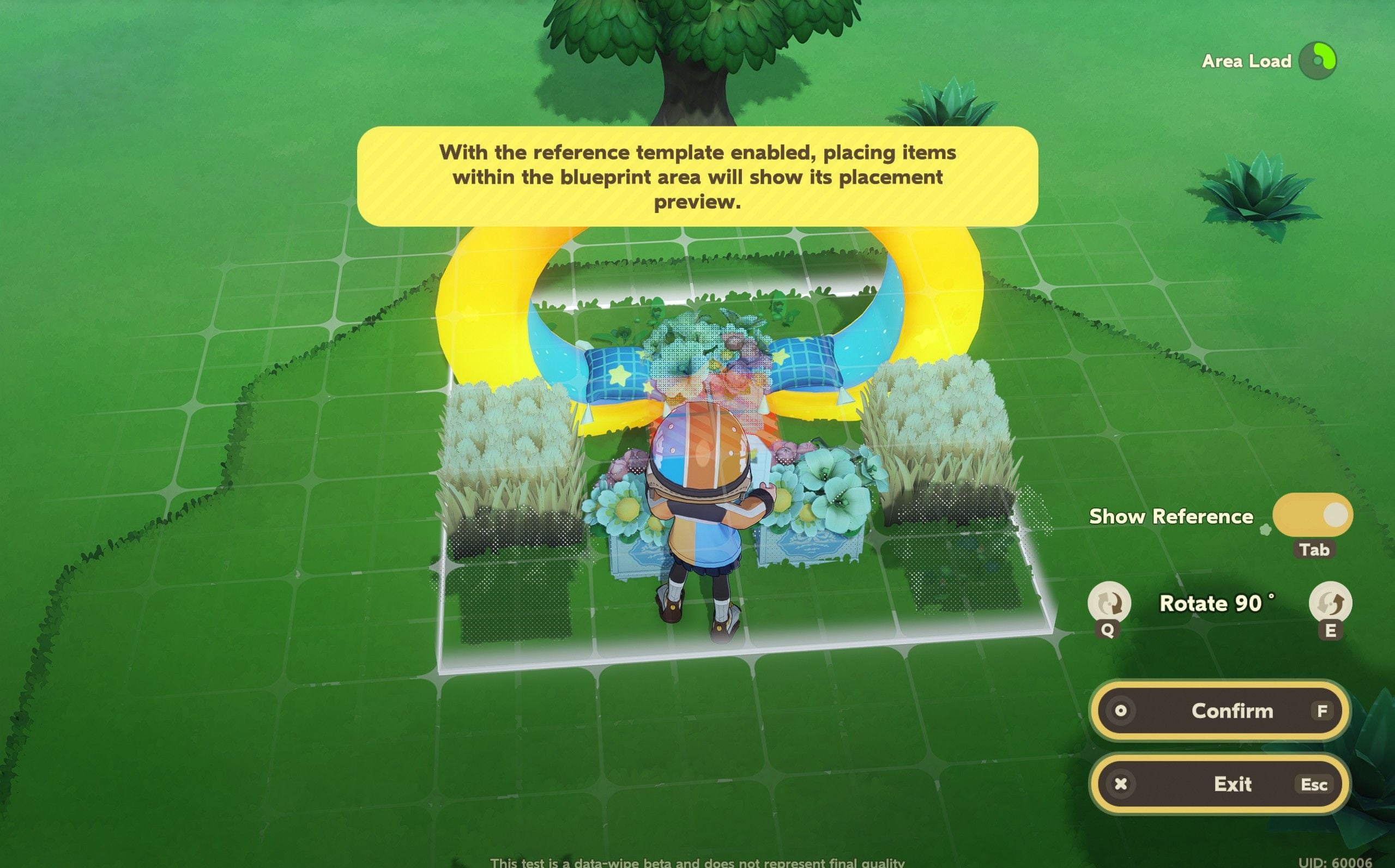
Your home reinforces that. Everything you collect can be placed somewhere, arranged and rearranged to your liking in a way that will feel immediately familiar to anyone who’s spent time decorating a New Horizons island. The placement system does have its limits right now. An archway of lights, for instance, shouldn’t be as resistant to placing a table or bed underneath it as it currently is. The collision logic has some rough edges in the beta that are worth calling out. But even with those restrictions, the depth of expression already on offer is impressive, and it’s hard not to picture what the system looks like once HoYoverse irons out the edges before launch.
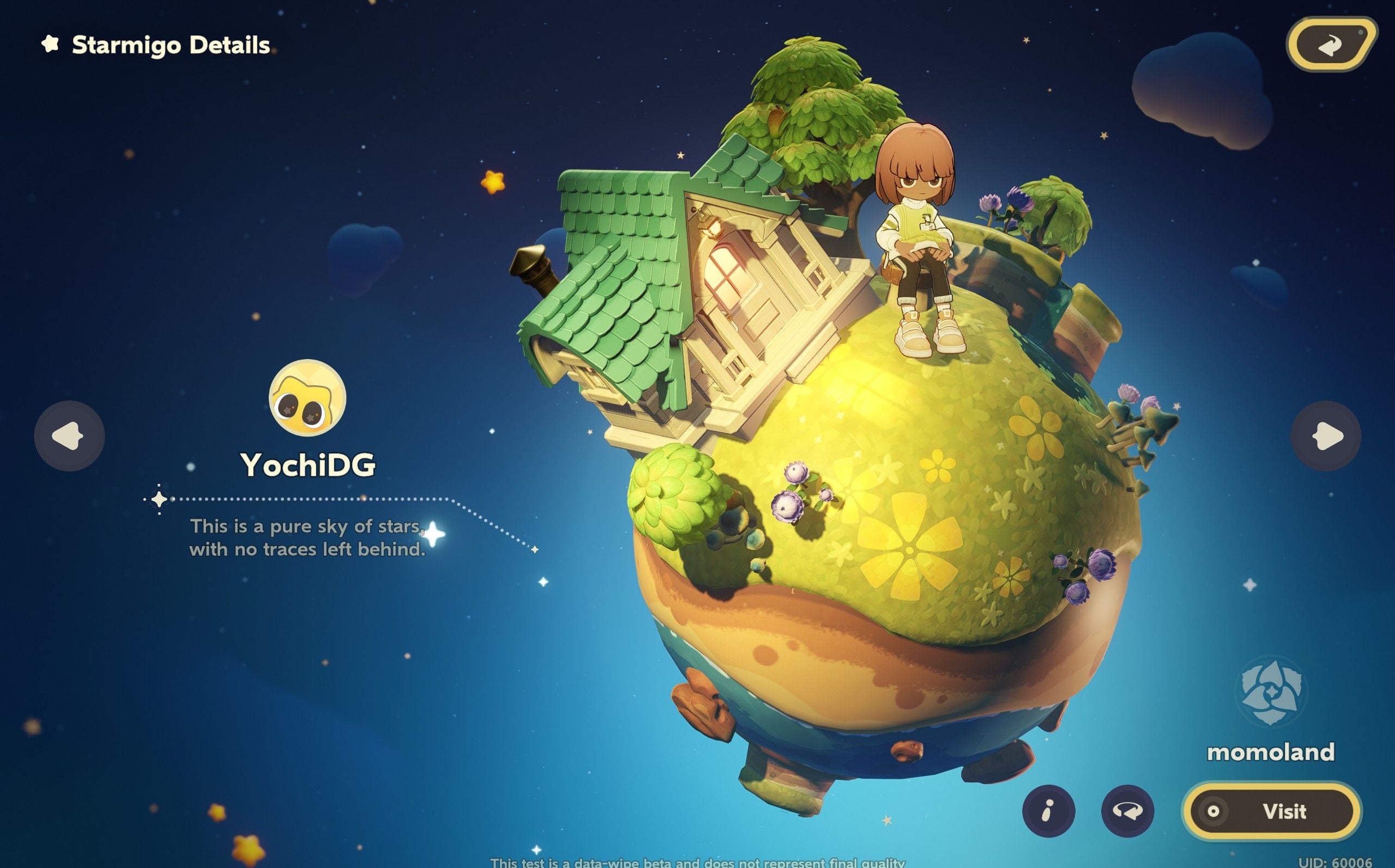
When the solo loop starts to feel settled, the social side of Petit Planet opens up in ways that are genuinely clever. Stargazing on your Planette isn’t just atmosphere, it’s a travel mechanic. Passing planets drift through your view in real time, representing other Planet Tenders out in the universe, and you can request to visit them directly from that screen. The integrated chat system lets you strike up conversations with other players without needing to be in the same space first. It’s a low-friction approach to multiplayer that fits the tone perfectly, social when you want it to be, invisible when you don’t. For a genre that has historically struggled to make online feel like anything other than a tacked-on feature, Petit Planet handles, at least the introductions, with surprising ease.
For now, launch still doesn’t have a date, but for those that are interested, we have the Stardrift Test, the game’s second closed beta, which opens April 21 on PC, iOS, and Android, bringing new neighbors, expanded Starsea Voyage content, and additional Galactic Bazaar activities. Based on what’s here now, Petit Planet is a cozy life sim with genuine ambition behind it. If Nintendo is sleeping on their next Animal Crossing title, they won’t be for long, because HoYoverse is very much awake and willing to deliver a high-quality contender.